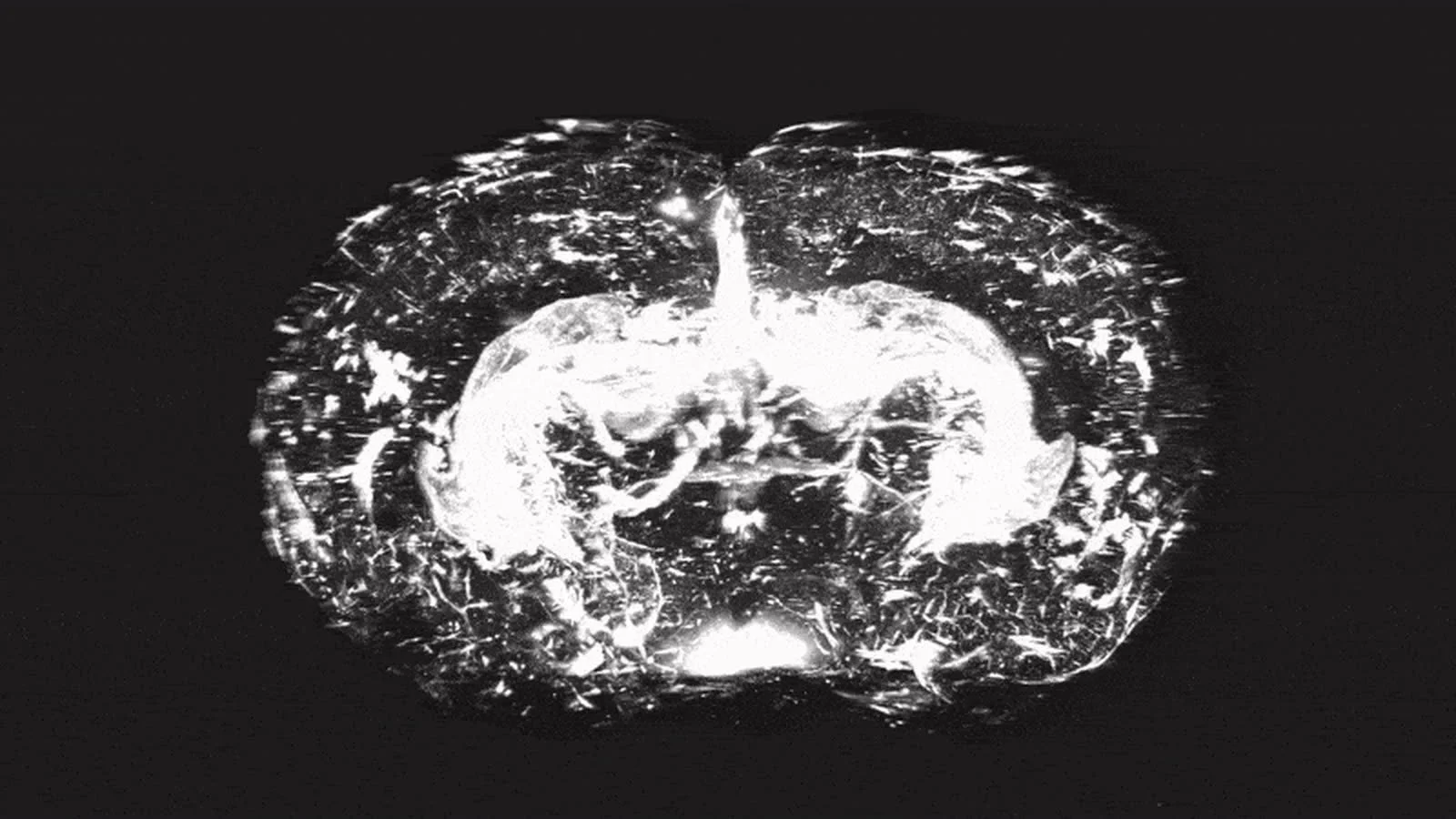
Decoding blood and brain crosstalk
The brain and body are in constant molecular conversation, exchanging proteins and immune cells across tightly controlled borders. We study the rules of this exchange: what crosses, what these signals mean, and how they shape brain aging and disease. Using chemical biology, immunology, and genomics approaches, we're working to decode brain-body communication and develop new therapies against dementia.
Research
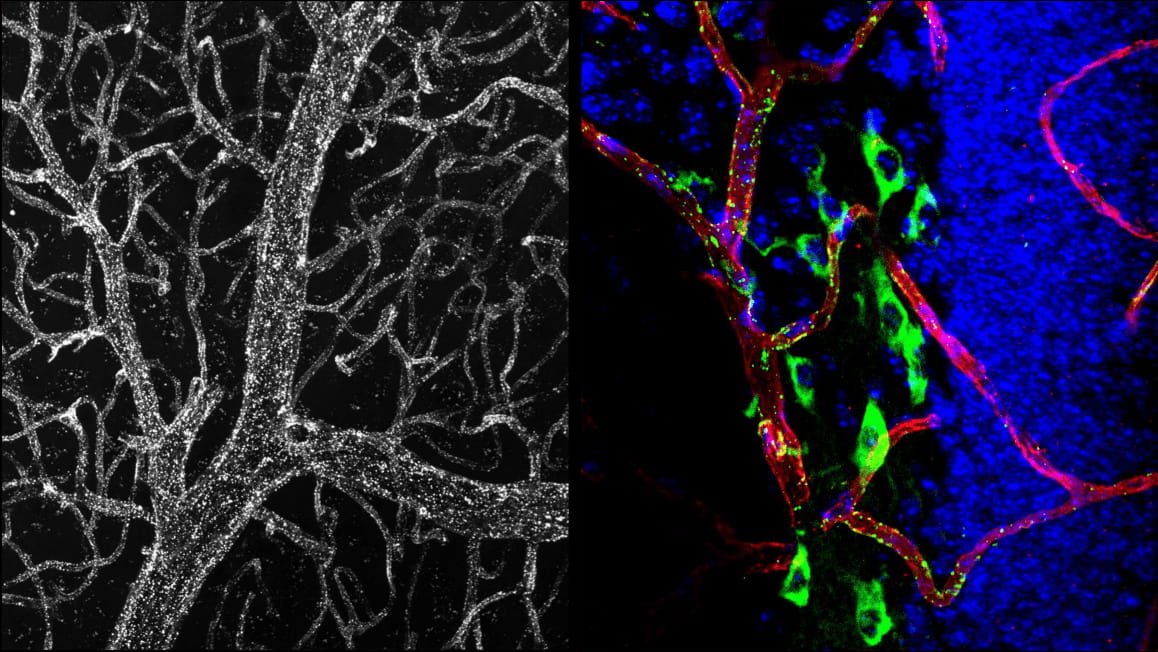
1. Which proteins and immune cells communicate with the brain, and how?
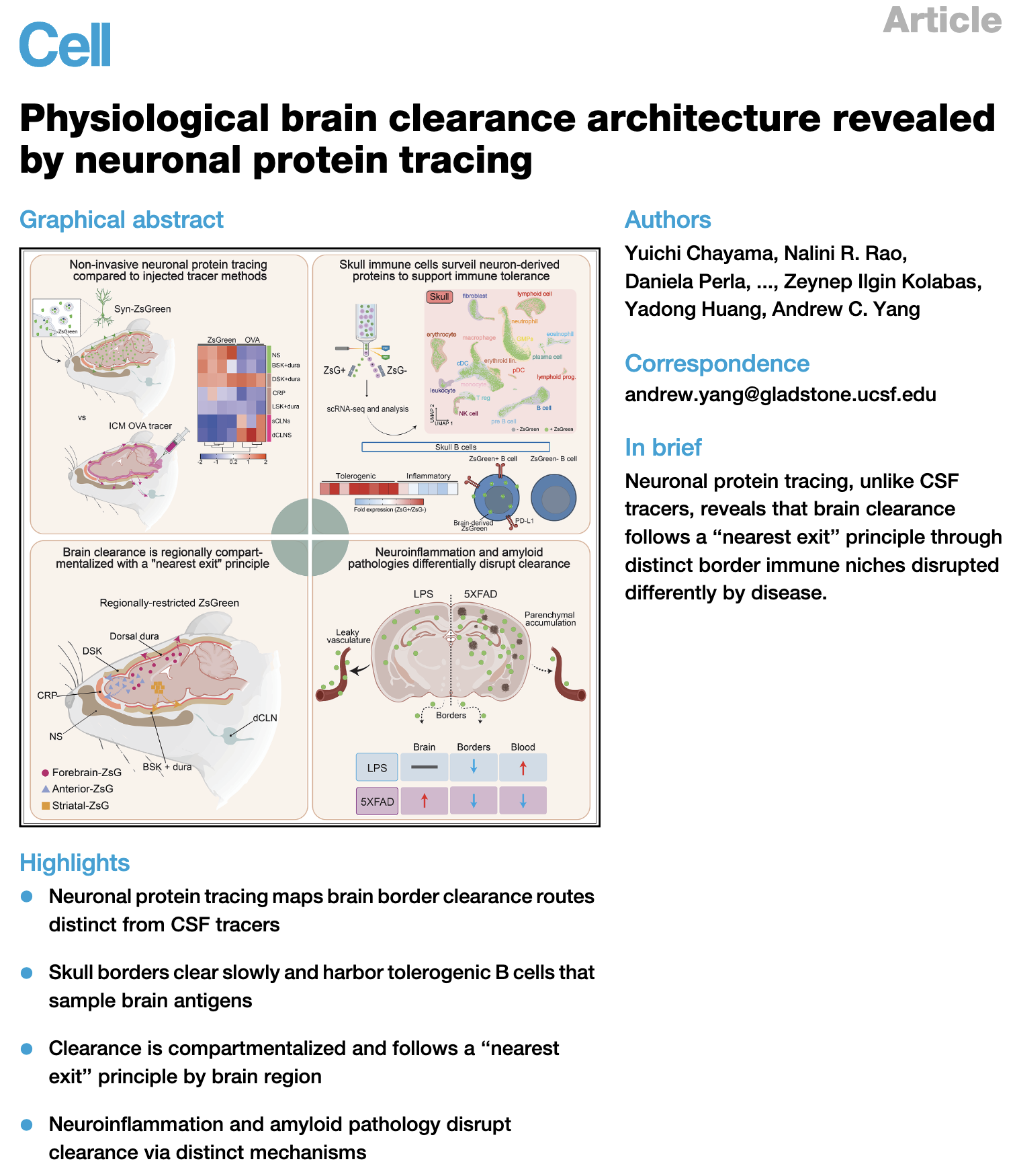
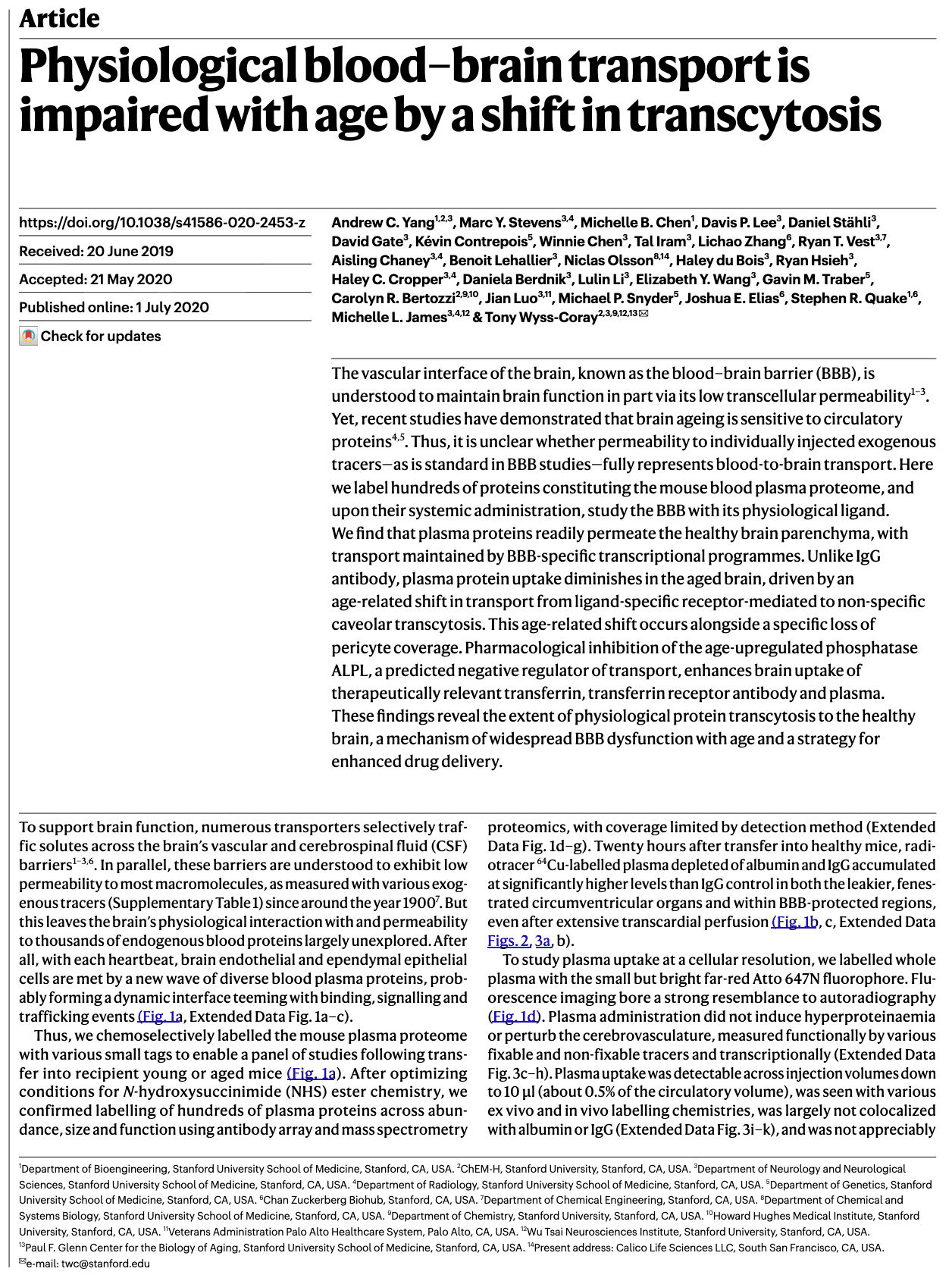
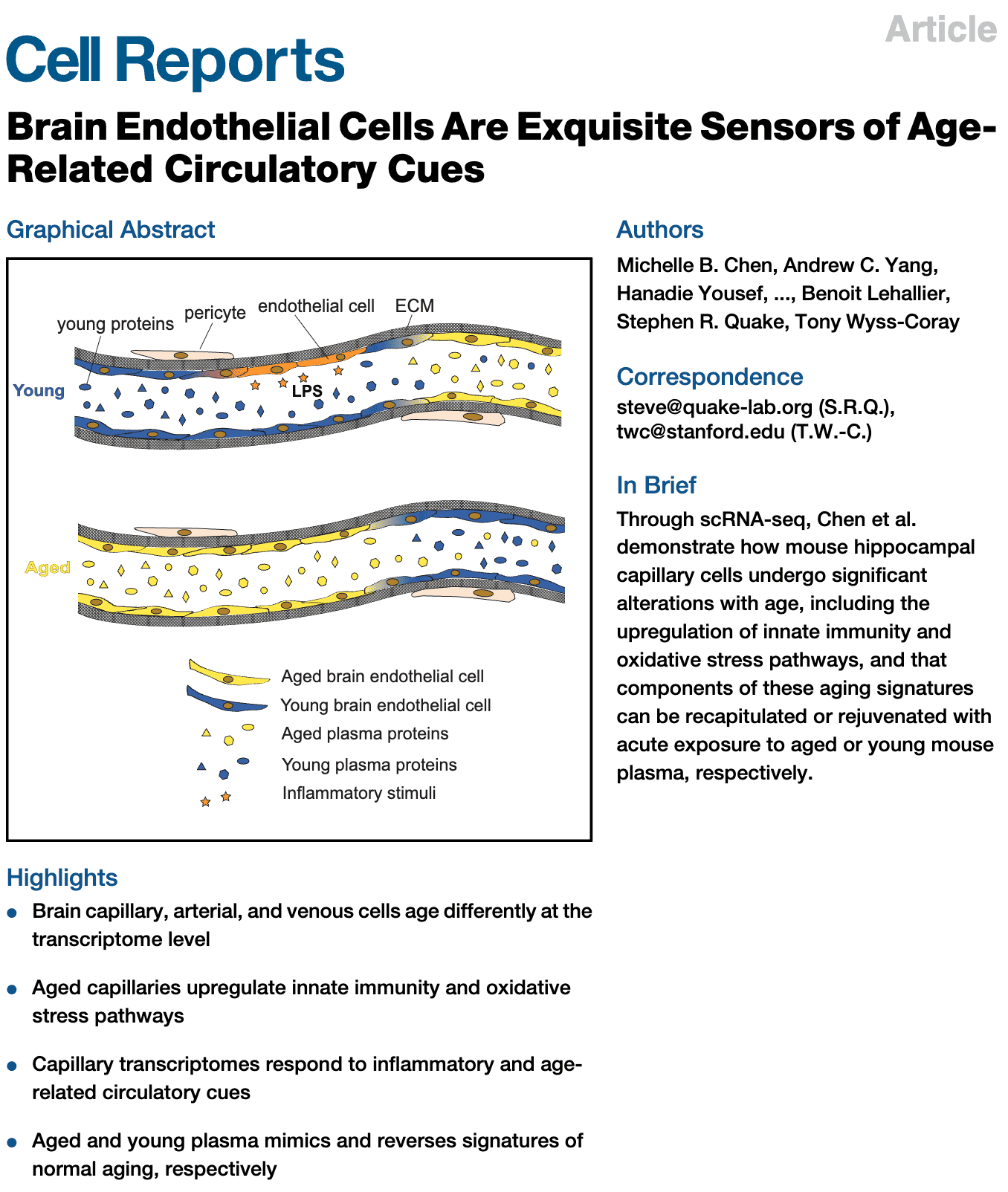
We recently developed cell type-specific and plasma proteome labeling techniques to reveal an unexpected degree and diversity of protein transport across the healthy blood-brain barrier (BBB), reaching neurons, microglia, and other brain cell types.
We are now deciphering the identities, functions, and mechanisms of protein and immune cell signaling across the BBB in health and disease. We seek to understand what distinguishes a protein or immune cell that can enter the brain from those that cannot.
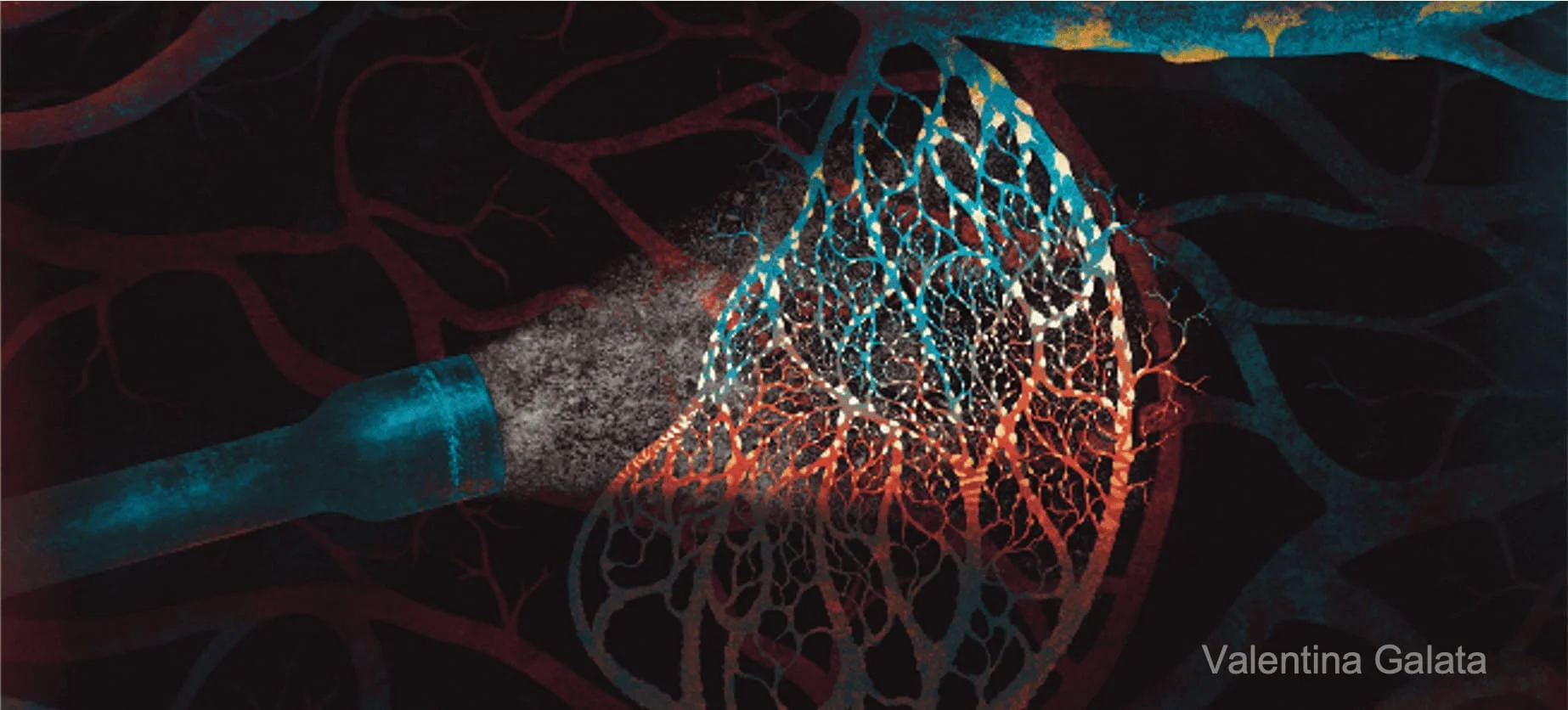
2. How does brain border and immune dysfunction drive neurodegeneration?
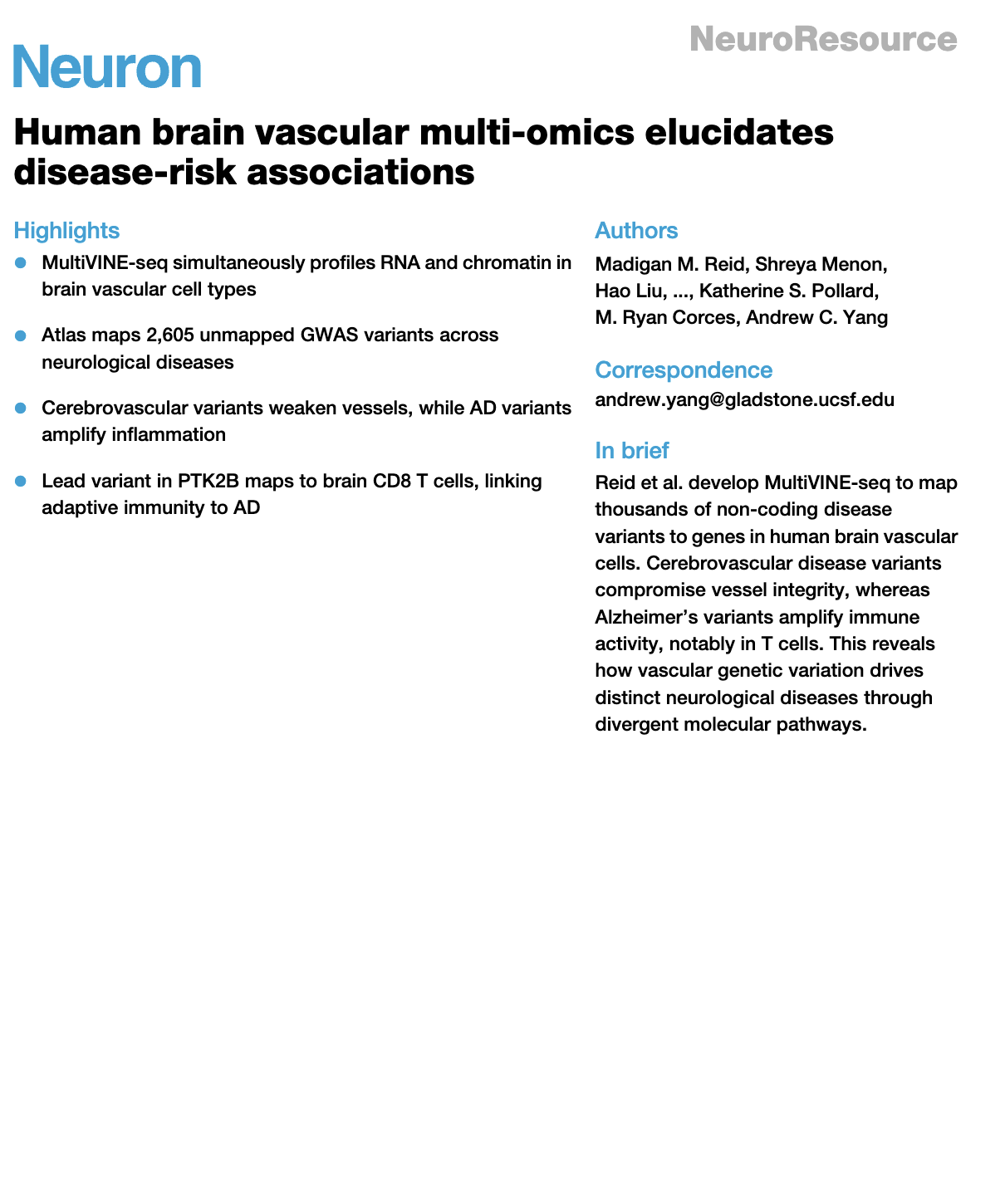
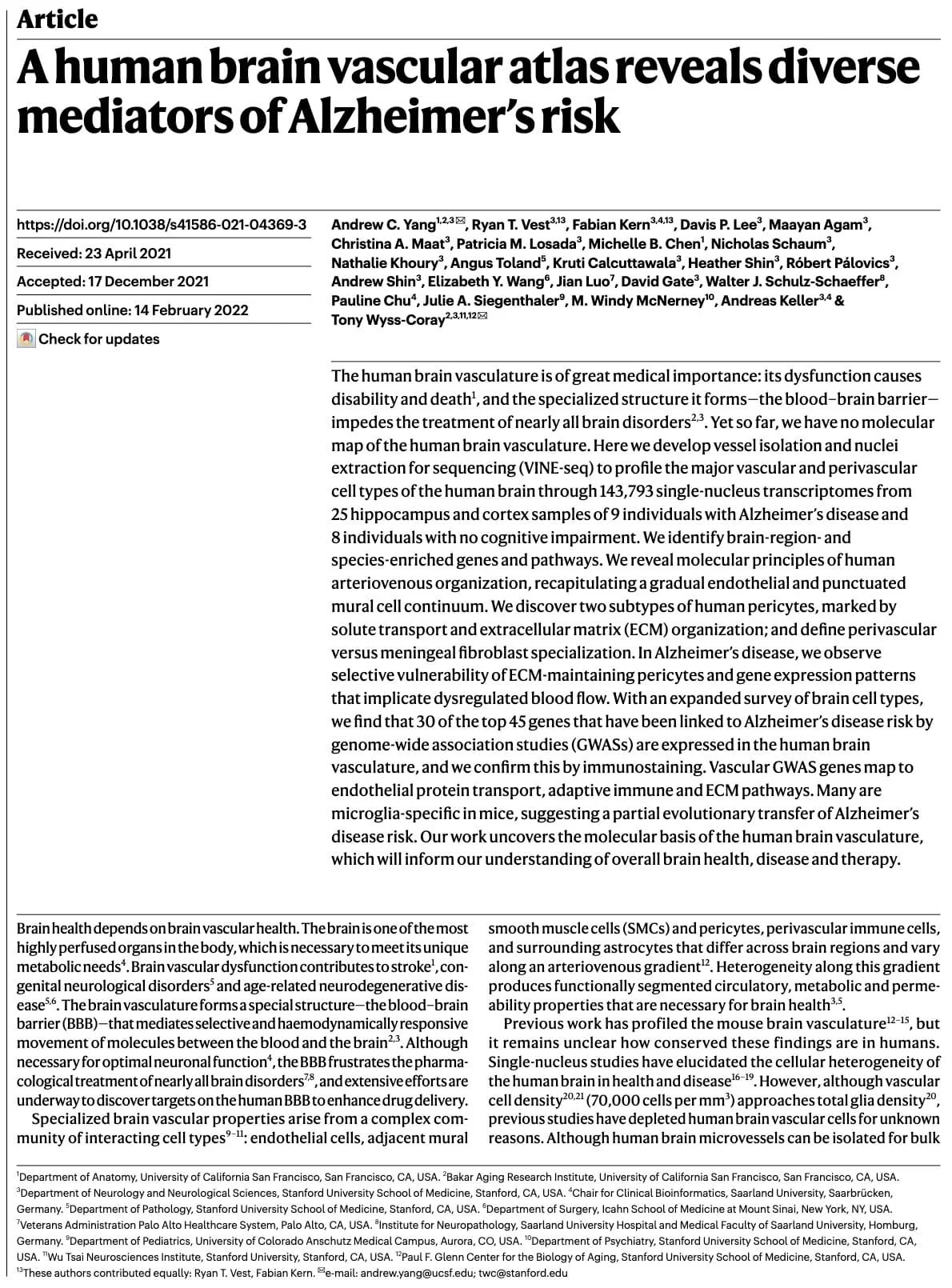
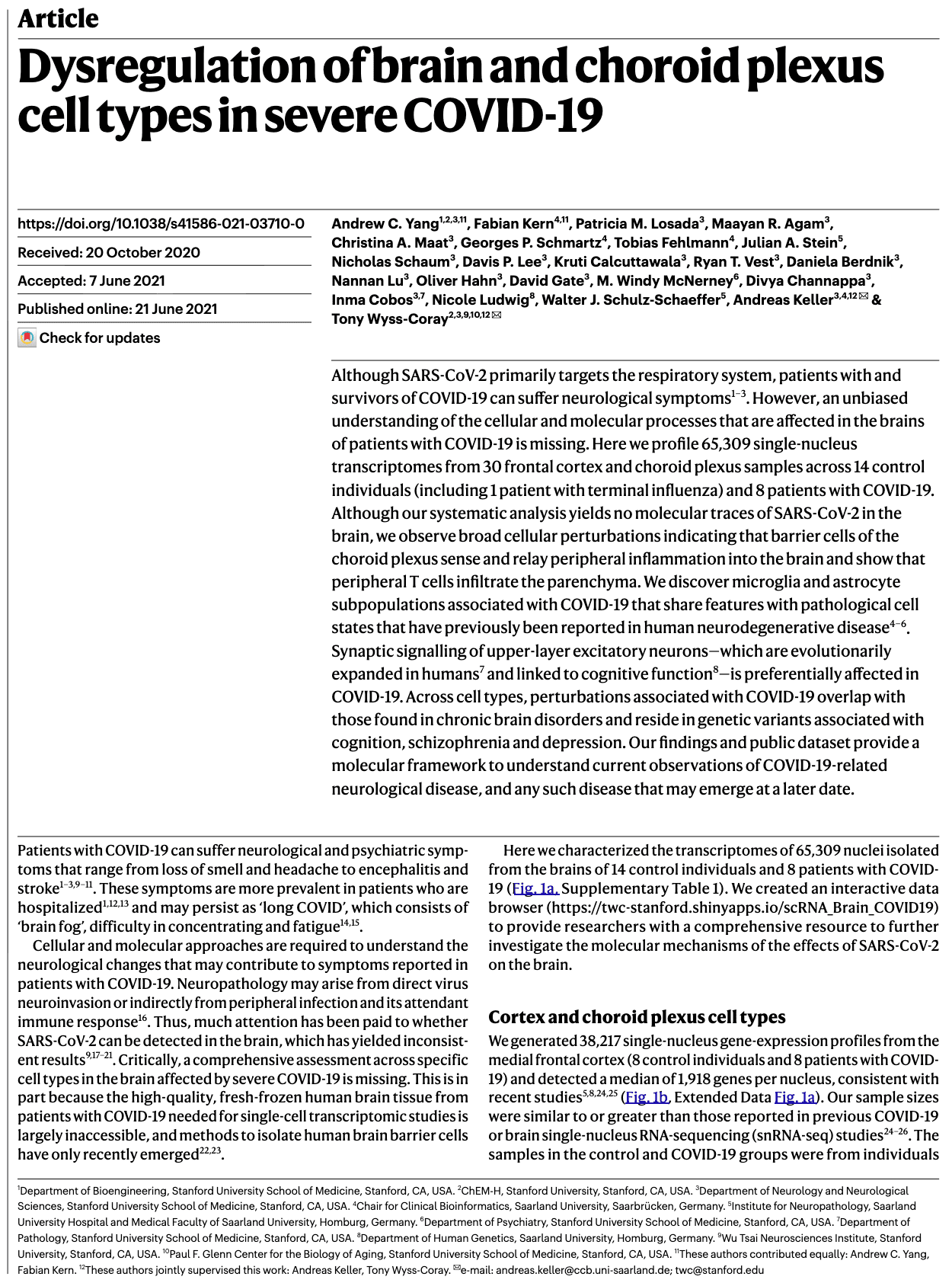
We recently generated a first molecular map of the human BBB and choroid plexus. We discovered that brain barrier and immune cells express 30 of the top 45 Alzheimer’s disease (AD) risk genes.
We now seek to understand the role of brain barrier and immune dysfunction in neurodegeneration.
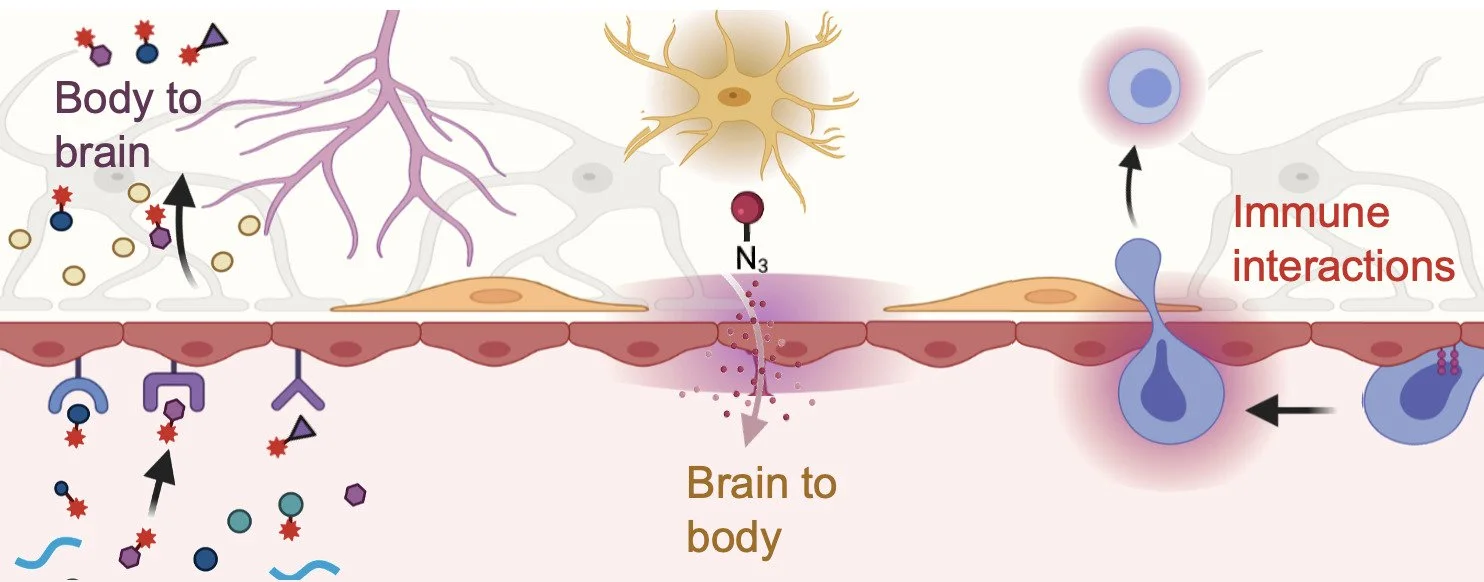
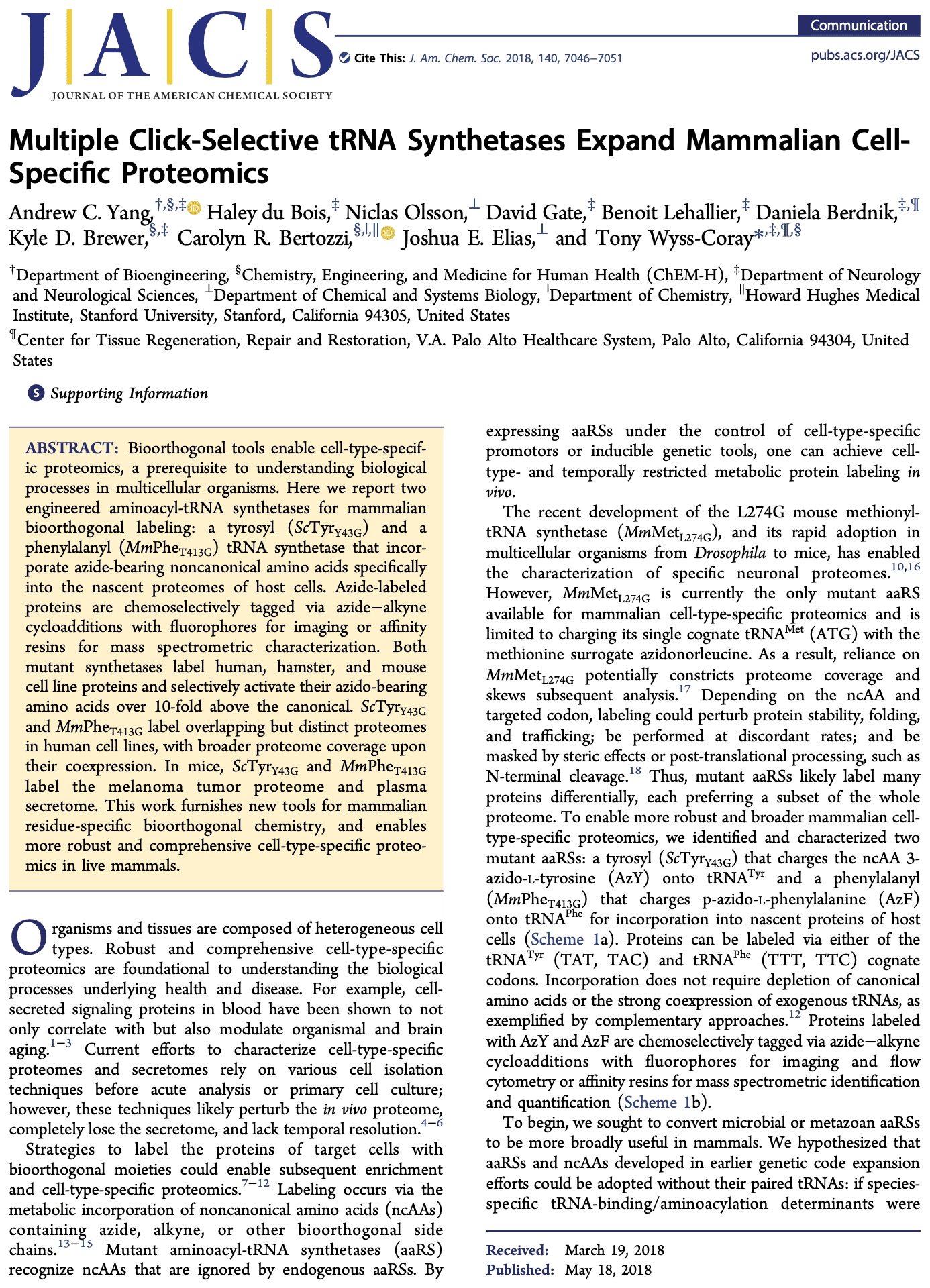
We recently engineered enzymes capable of labeling the proteomes and secretomes of specific cell types to monitor intercellular communication.
We are now developing new tools to deduce the molecular logic of central-peripheral immune interactions and their role in neurodegeneration.
3. What molecular tools can we create to reveal new aspects of brain-body crosstalk?

People
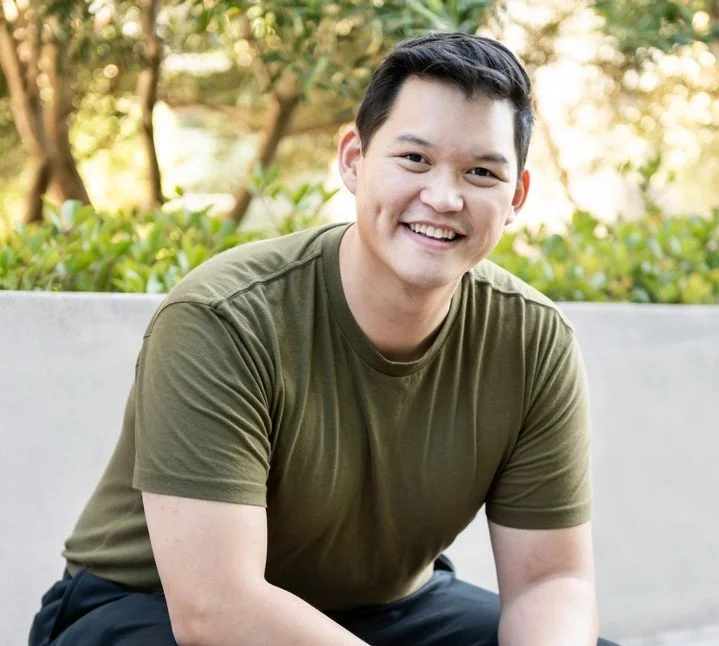
Andrew C. Yang, Principal Investigator
I’m an engineer-turned-neuroscientist developing new molecular approaches to decode the meaning, mechanisms, and therapeutic relevance of protein and immune crosstalk between the brain and body. I joined UCSF as a Sandler Faculty Fellow (2022), and recently started at the Gladstone Institutes & UCSF as an Assistant Professor. I obtained my B.S. in mechanical engineering and materials science at MIT and Ph.D. in bioengineering at Stanford. Outside the lab, I enjoy playing basketball, rowing, and supporting the LA Lakers and Rams (to no avail).

Haoyue Zhou, Postdoctoral Scholar
I completed my PhD in Neuroscience from University of Science and Technology of China, where I investigated cerebrovascular disease in the Shen lab. During the process, I became inspired by the studies in the effects of peripheral tissues on the brain through a potential blood-microvessel axis, which formed another idea that I’m interested in. I’m very excited to discover the molecular mechanisms underlying the brain-body communication. Away from my cute cells and mice in lab, I love natural and cultural landscapes.

Madigan Reid, Postdoctoral Scholar
I completed my Ph.D. in Neuroscience at LSU Health Sciences Center in New Orleans where I investigated the protective effect of novel lipid mediators on ischemic stroke, and defined potential molecular targets driving the protection. During my work I became interested in the role of the central and peripheral immune systems in neurological disorders. Outside of the lab I love spending time with friends and family, working out, cooking, and LEGO building.

Nalini Rao, Postdoctoral Scholar
I completed my PhD in Neuroscience at Northwestern University in Chicago where I used stable-isotope labeling and mass spectrometry to investigate how protein turnover disruptions in the brain contribute to Alzheimer's disease and aging. During my PhD, I became fascinated with exploring how proteins are cleared from the brain and understanding what happens if this process is altered. I'm excited to explore the molecular mechanisms that drive brain protein clearance in health and disease. Outside of lab, I enjoy watching movies, being unnecessarily competitive at board games, and adopting way too many plants.
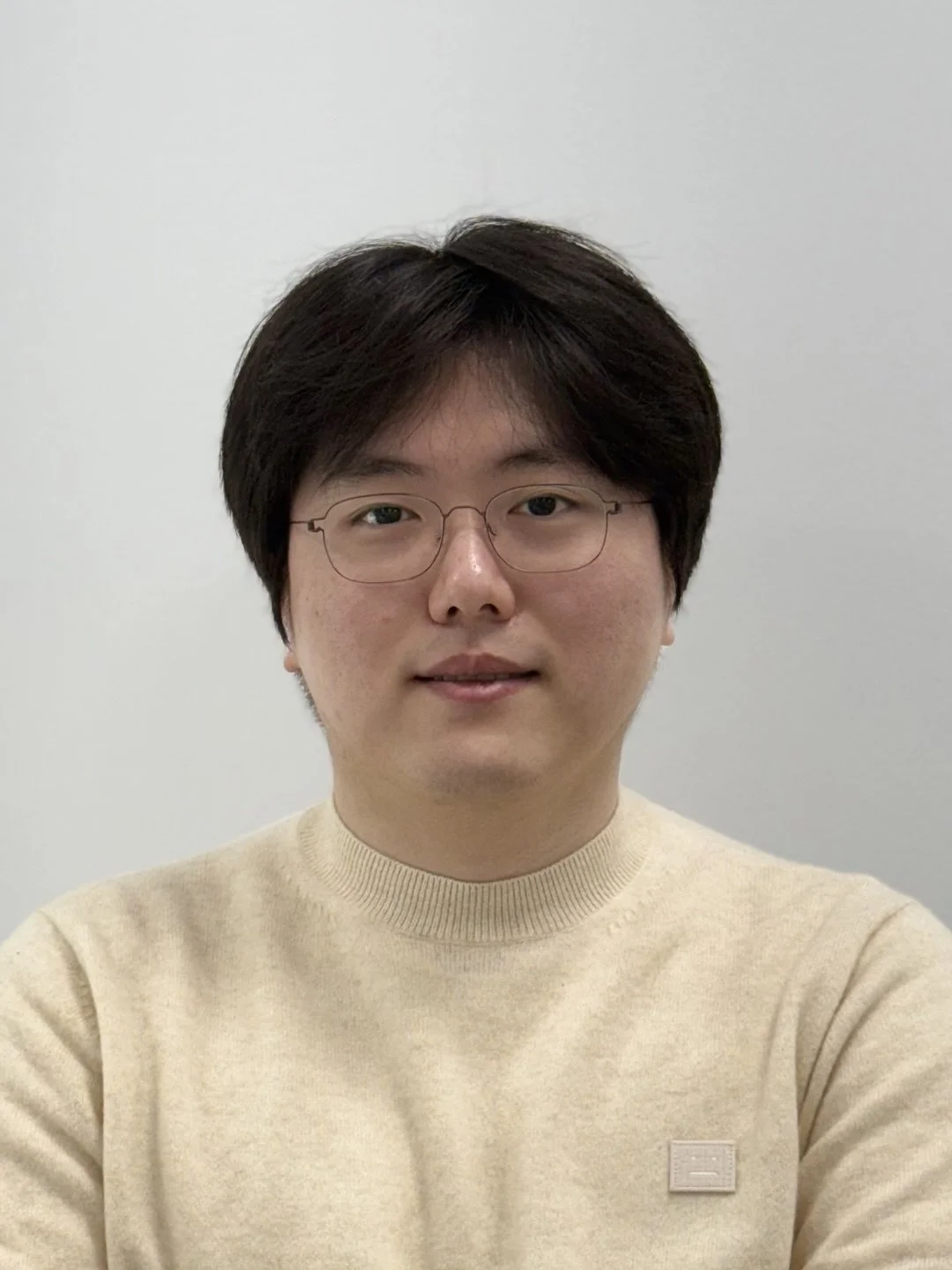
Myung Jin Yang, Postdoctoral Scholar
I completed my Ph.D. in vascular biology at Korea Advanced Institute of Science and Technology in South Korea, where I explored vascular heterogeneity and organ-specific vascular crosstalk. My research is dedicated to discovering the roles of blood and lymphatic vessels surrounding the central nervous system, particularly for brain waste clearance. Outside the lab, I enjoy having coffee, reading, and taking walks around the city.
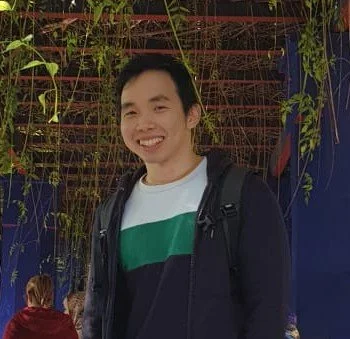
William Xie, Postdoctoral Scholar
I performed my undergraduate studies at the University of Cambridge in the UK and was a research associate in Singapore for a year following graduation. I then completed my Ph.D. in the Biomedical Sciences program at UCSF as a graduate student in the Yang Lab and stayed on as a postdoc. I am broadly interested in neuroimmunology, cell engineering, and understanding the rules which govern immune cell trafficking across the blood-brain barrier. Beyond the lab, I enjoy playing my guitar, gymming, and outdoor hikes.

Xinlan Wen, Graduate Student
I am a fifth-year student in the Neuroscience program. I obtained my B.S. in Biomedical Science at Shanghai Jiao Tong University, where I studied the neuronal regulation of cerebral blood flow. I am always interested in uncovering the mechanisms of body-brain crosstalks and neuroimmune interactions. In my spare time, I enjoy photographing, dancing, going to concerts and chilling with my cat.

Sophia Nelson, Graduate Student
I’m a fifth-year student in the Biomedical Sciences program. While I’m originally from North Dakota, I got my B.S. at Haverford College in Pennsylvania, where I studied biology with minors in neuroscience and public health. After graduating, I moved cross country to SF and worked as a research technician in Dr. Matthew Krummel’s lab studying cancer immunology. In the Yang Lab, I’m interested in exploring interactions between peripheral immunity and the central nervous system, particularly relating to neuroimmune tolerance in health and disease. Outside of the lab, I love traveling and hiking, tide pooling, making homemade pasta, spoiling my two cats, and hanging out with friends and family.

Janie Oberhauser, Graduate Student
I’m a fourth-year student in the Neuroscience program. I graduated from the University of North Carolina at Chapel Hill in 2021 with degrees in Biology and English. Afterward, I moved back home to the Bay Area to work as a research associate at Stanford. In the Yang Lab, I’m interested in investigating changes to the blood-brain barrier in aging and neurodegenerative disease. Outside the lab, you can find me reading my way through the leaning tower of books on my nightstand, lamenting the state of the San Jose Sharks, swimming, hiking, and exploring new foods and places.

Andrew Pan, Graduate Student
I’m a fourth-year student in the Biomedical Sciences program. I grew up in Princeton and then Old Saybrook, a small town in Connecticut. I moved south for college and obtained a B.S in Biomedical Engineering at Georgia Tech doing research in nanoengineering before moving out to San Francisco to work as a research associate at UCSF in Dr. Martin Kampmann’s lab building an in vivo CRISPRi screening platform for the central nervous system. In the Yang lab, I am interested in broadly exploring the role of the blood-brain barrier in Alzheimer’s and how it changes in aging. Outside of lab, I like skiing, tennis, hanging out with my cat, reading, baking, and running.
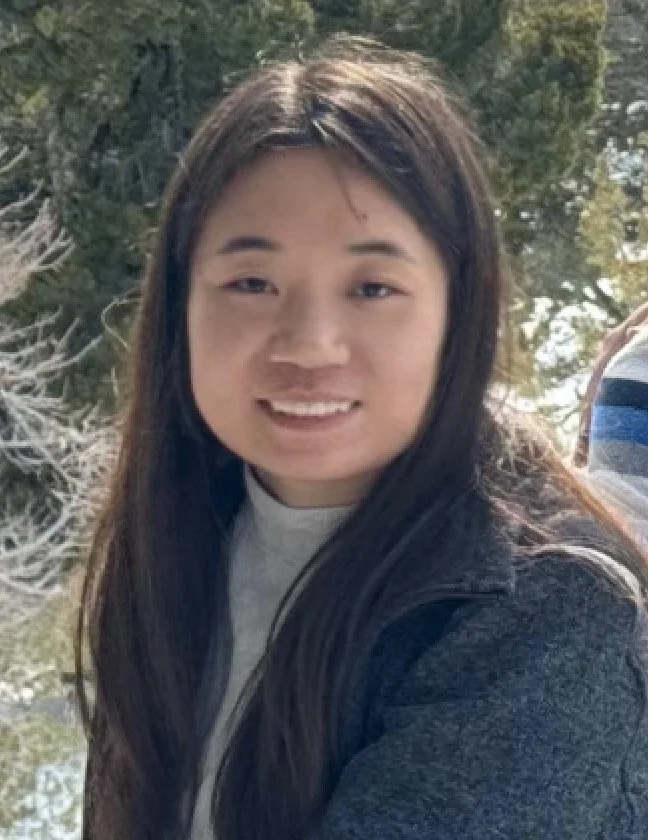
Runa Cheng, MD/PhD Student
I’m a third-year MSTP and Biological and Medical Informatics program student. I obtained my B.A. in biology at Swarthmore College and minored in chemistry and statistics. After graduation, I joined the Lenardo Lab at the NIH as a postbaccalaureate researcher studying dysregulated immune cell migration to the epithelium in inflammatory bowel disease. In the Yang Lab, I’m interested in investigating changes to the CNS barriers in aging and neurological diseases. Outside the lab, I like to be in nature, explore the city, and play with my cat.
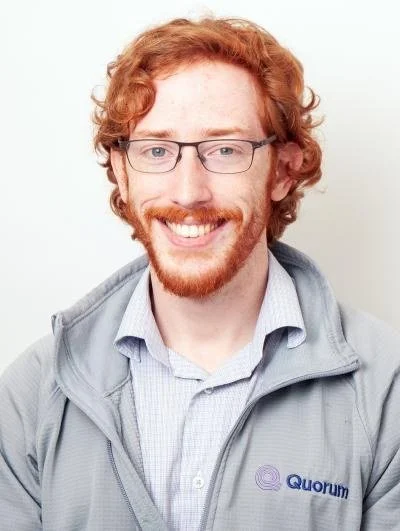
Chris Thompson, Graduate Student
I am a third-year graduate student in the Biological and Medical Informatics (BMI) PhD program and am coadvised by Hani Goodarzi at the Arc Institute. Prior to UCSF, I was a software engineer at Verily Life Sciences in Colorado and Quorum Analytics in DC. I obtained my B.S. at Harvey Mudd College in computer science and government. I am interested in applying computational methods to better understand the mechanisms of aging in the brain and interventions to delay neurodegeneration. When not in the lab, I like hiking, volunteering, and reviewing restaurants.
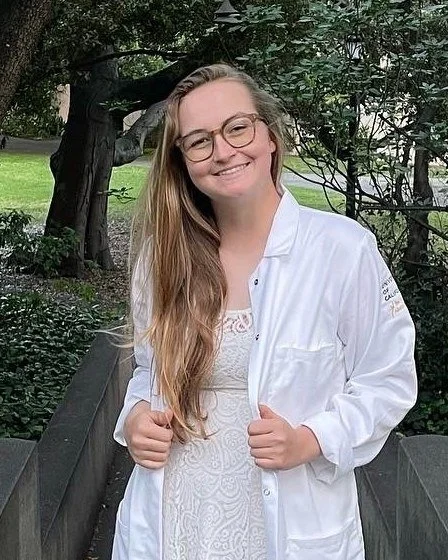
Stephanie Ancheta, Graduate Student
I am a second-year Ph.D. student in the Neuroscience Graduate Program, co-mentored by Yadong Huang. I received my B.A. in Molecular and Cell Biology with an emphasis in Neurobiology from the University of California, Berkeley in 2023 and spent the following year in Denmark as a Neurology Research Assistant at Region Zealand Hospital. My research interests center on understanding how microglia and APOE influence neurodegeneration and cerebrovascular dysfunction, particularly in the context of Alzheimer’s disease and cerebral amyloid angiopathy. When I’m not in the lab, I enjoy playing a variety of sports, including dodgeball and quidditch, and cheering on the Golden State Valkyries.

Fionna Huang, Lab Manager
I’m a recent UC Davis alumna with a B.S. in Biochemistry and Molecular Biology. I’ve always been fascinated with human health and disease, and this interest has only grown stronger during my studies. Right now, I’m interested in understanding the underlying mechanisms of diseases to develop new and improved treatments for medical conditions. During my free time, I like to take walks in nature, explore new places, and karaoke.

Sahith Doddipalli, Research Associate
I graduated from UCLA with a B.S. in Biochemistry. My previous work in the Carmichael lab focused on characterizing neural repair responses, such as angiogenesis, in a novel therapeutic hydrogel delivered post-stroke. I’m fascinated by the brain's ability to respond and recover after injury, and I’m excited to investigate how homeostatic dysfunction—particularly in the BBB—can be understood and manipulated for therapeutic intervention. In my free time, I enjoy watching movies and TV shows, exploring new dessert spots, and playing basketball.

Daniela Perla, Research Associate
I graduated from UC Davis with a B.S in Neurobiology, Physiology and Behavior and a minor in Public Health Sciences. Initially, my academic interests were oriented toward osteopathic medicine, drawn by its holistic approach to health and disease. However, my experience in undergraduate research, where I worked on decoding protein-protein interactions between CHD8 and the PAF complex, redirected my interests toward neuroscience and scientific research. I am deeply interested in leveraging the dynamic nature of the immune system and its ability to target specific cellular changes to develop immunotherapies that target specific pathogenic proteins and modulate neuroinflammatory responses. Outside of the lab, I enjoy working out, watching TV shows, going to concerts, exploring new foods and places, and traveling.

Sanem Goktas, Research Associate
I joined the Yang Lab as a visiting master’s thesis student, pursuing a degree in the Neuroscience program at the University of Tubingen in Germany. I studied Molecular Biology and Genetics as an undergraduate at Bilkent University in Turkey and discovered my passion for neuroscience during my internship in neuroendocrinology at the University of Cambridge. Throughout my research experiences, I’ve worked on various neurodegenerative diseases, and I’m particularly interested in developing therapies for these conditions. Outside the lab, I enjoy reading, painting, traveling, spending time with my pets, and analog photography.
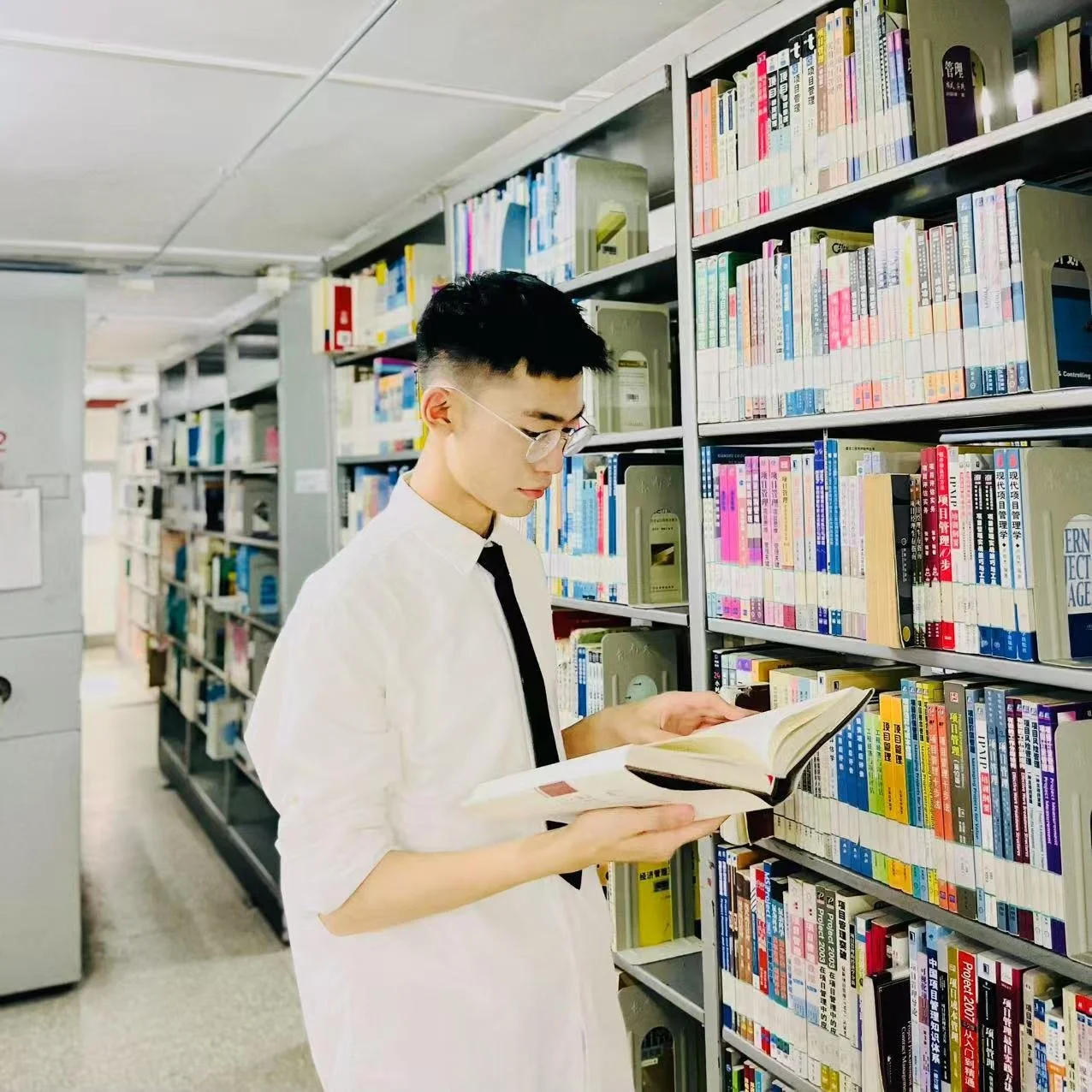
Eric Liu, Research Associate
I recently earned my master’s degree in neurosurgery from Fudan University. My previous research centered on central nervous system diseases. Specifically, I studied how non-coding RNAs affect the blood-brain barrier during stroke and developed a deep learning-based intelligent diagnostic system for glioma pathology. I am very excited to join the Yang Lab in San Francisco, where I will continue to focus on advancing our understanding of the blood-brain barrier in neurodegenerative diseases. In my free time, I enjoy immersing myself in music—especially R&B—attending live concerts, collecting vinyl records, and traveling to experience the beauty of nature and cultural diversity.
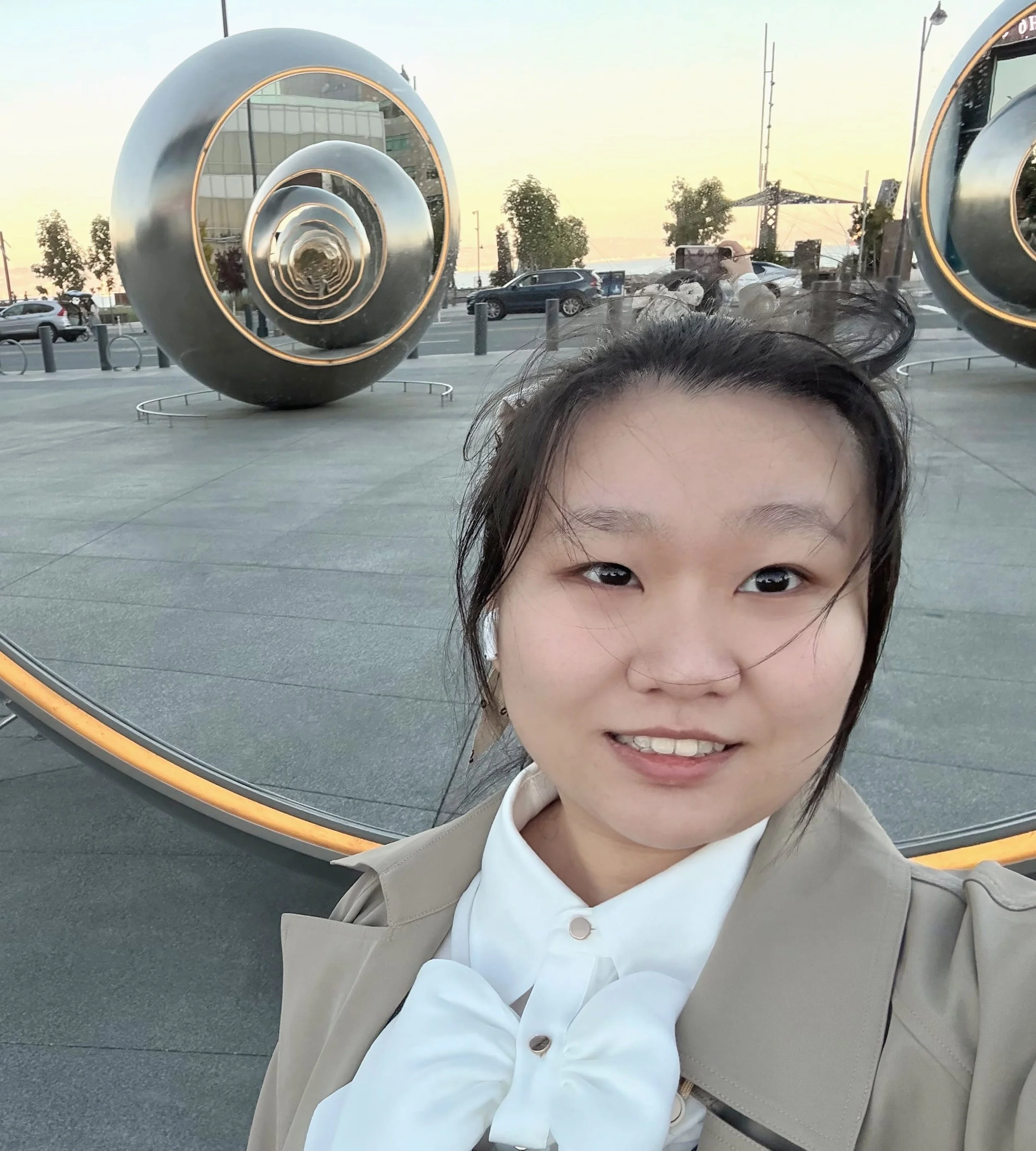
Sining Du, Research Associate
I graduated from Peking University with a B.S. in Biological Sciences. During my undergraduate research in Dr. Yulong Li’s lab, I focused on developing and applying fluorescent sensors to detect neuromodulator prostaglandins. Currently, I’m interested in exploring the complex network of neuroimmune interactions, with an emphasis on using innovative technologies and methodologies to investigate their regulatory mechanisms and their relevance to psychiatric and neurological diseases. Outside of research, I enjoy cooking, reading, and writing.
Alumni:
Lexi Schneider, Graduate Student 2022-26
Bella Ding, Research Associate 2023-26
Mina Negahban, Research Associate 2023-26
Alex Pennacchio, Research Associate 2024-26
Yuichi Chayama, Visiting Scientist 2023-25
Maria Kreger Karabova, Postdoctoral Scholar 2024-25
Zimo Zhang, Research Associate 2024-25
Amando Apolonio, Research Associate 2022-24
Hao Liu, Research Associate 2022-24
Sophie Liu, Research Associate 2022-23
Tamara Utzinger, Master’s Student 2022-23
Generous support from

Join us
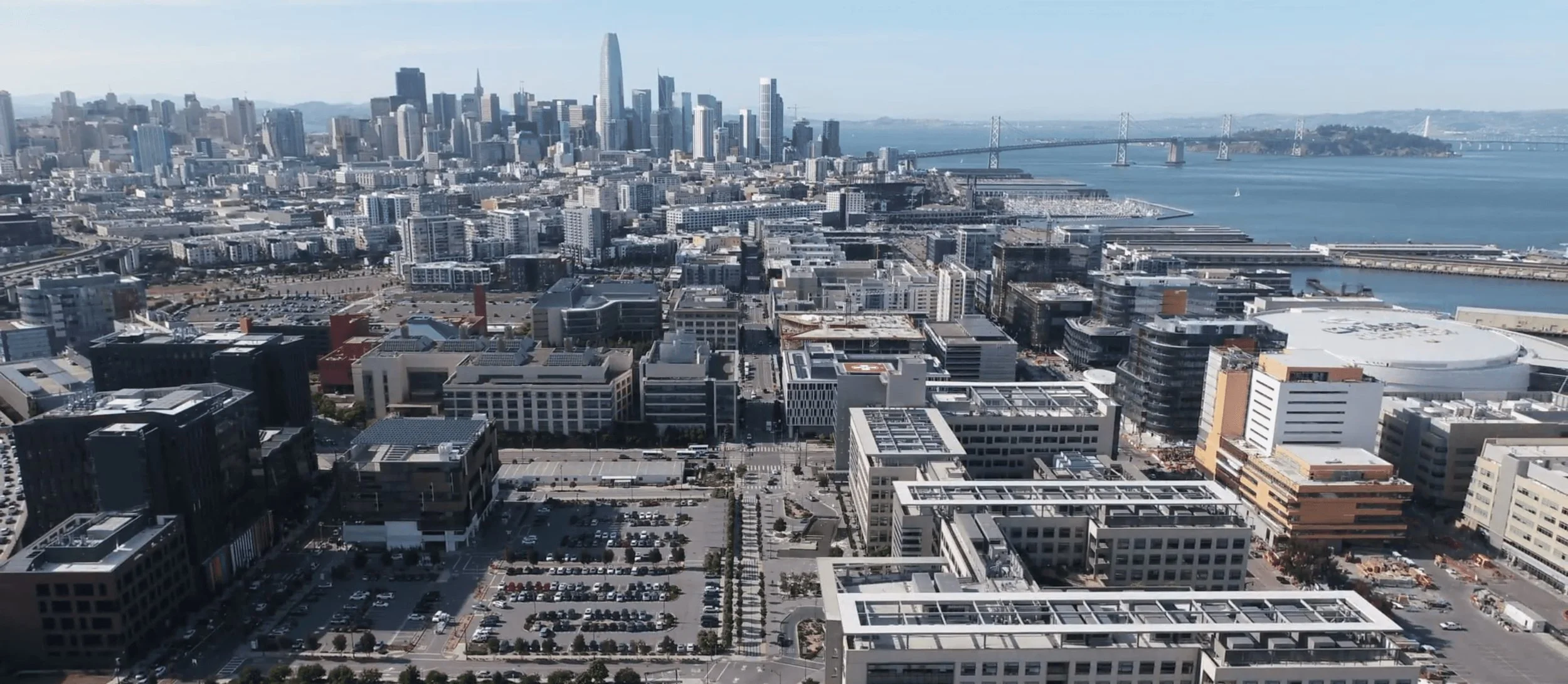
We opened our lab at the Gladstone Institutes on UCSF’s Mission Bay campus in January 2024. We study how the brain and body communicate, and we welcome those with backgrounds from different fields, such as immunology, engineering, and chemistry.
Postdocs. Contact Andrew with your CV, a few sentences on the question you want to pursue, and the names of references. Recent Ph.D. and M.D. graduates interested in interdisciplinary research and an accelerated path to independence can also apply for the NOMIS-Gladstone Fellowship.
Graduate students. We host rotation students from UCSF’s BMS, Neuroscience, BMI, and MSTP programs.
We’re always glad to talk about brain barriers, neuroimmunology, and new approaches to make a difference against dementia.
1650 Owens Street Gladstone Institutes, 315 San Francisco, CA 94158